Finding Loans for Those with Bad Credit Easily
Bad Credit can often feel like a barrier to achieving financial stability, but there are options available for individuals facing this challenge.

This article will explore the world of loans designed specifically for those with lower credit scores, typically below 580 or 640.
What type of loan do you need?
Do right now for your financial goals
Apply for your personal loan today
Request your professional support now
Do right now to renovate your house
We will delve into specialized lenders who cater to borrowers with poor credit histories, highlighting key features of these loans and the importance of finding the best rates and terms.
Understanding these financial products can empower individuals to make informed decisions during difficult financial times.
Introduction to Bad Credit Loans
Loans specifically designed for individuals with bad credit serve a vital purpose: they provide access to funds for those with a limited or poor credit score, often below 640.
These loans exist because traditional lenders tend to deny applications from people with a history of missed payments, high credit usage, or limited credit history.
Companies like Upstart and LendingTree evaluate more than just your credit score, offering a responsible path to meet unexpected expenses, consolidate debt, or recover financial stability.
While the approval process may be more flexible, it still considers income, employment, and other factors to ensure the borrower can repay the loan.
Borrowers with a bad credit profile often encounter several difficulties when applying for financial products.
Traditional banks may reject applications outright, while online lenders may offer limited amounts or require additional documentation.
These challenges make it essential to compare offers and read terms carefully before committing.
Among the most common barriers you’ll run into are:
- Higher interest rates
- Lower loan amounts
- Fewer repayment term options
However, with the right research, products from platforms like RISE make it possible to find practical and affordable solutions.
Credit Scores and Borrowing Power
A credit score is a three-digit number that represents a borrower’s creditworthiness based on their financial history.

Lenders use this score to determine how likely a person is to repay borrowed money.
Your score is calculated using several factors, including your payment history, credit utilization ratio, length of credit history, types of credit used, and recent credit inquiries.
The most common scoring models, like FICO and VantageScore, range credit scores from 300 to 850, and small changes in this number may drastically impact your loan options.
| Score Range | Label | Impact |
|---|---|---|
| 300–579 | Poor | Very hard to qualify |
| 580–669 | Fair | Limited options and higher interest rates |
| 670–739 | Good | Better approval chances |
| 740–799 | Very Good | Strong access to favorable terms |
| 800–850 | Excellent | Best rates and highest approval chances |
Lenders base their decisions not just on scores but also on your credit report, a detailed record of financial behavior.
Borrowers with higher scores often receive lower interest rates and more favorable terms, while those with low scores may struggle to find affordable loans.
If your score falls in the lower bands, platforms like Upstart or Credible’s personal loans for bad credit could help you secure funding though with stricter repayment terms and elevated interest rates.
Understanding where your credit score stands can greatly influence your borrowing strategy and financial outcomes.
Specialized Lender Options
Specialized lenders offer essential financial resources for individuals with poor credit, providing options when traditional banks and mainstream lenders deny applications due to low credit scores.

Some of the most active companies in this space include Upstart, Upgrade, and Best Egg.
These platforms consider alternative data, such as employment history or education background, reducing heavy reliance on credit scores.
As a result, they stand out by approving applicants overlooked by others.
Additionally, online lenders streamline the approval process, offering almost instant decisions and same-day funding in certain cases
Though helpful, bad-credit loans present specific risks.
Most carry higher interest rates, ranging from 28.
5 to 32 percent according to Bankrate’s 2025 data, which could increase overall repayment amounts.
Also, borrowers must stay wary of penalties for late payments or hidden origination charges that can make these loans more expensive than they initially appear.
Understanding the differences among lender types can guide better decision-making
- Credit unions – lower rates but membership needed
- Online lenders – fast approval but higher fees
- Peer-to-peer platforms – more flexibility but less regulation
- Title or secured lenders – easy access but risk of asset loss
Compare offers carefully to ensure you find a loan that fits your financial goals without worsening your situation
Typical Terms of Bad Credit Loans
Bad credit loans typically include higher interest rates due to the elevated risk lenders associate with borrowers holding low credit scores.
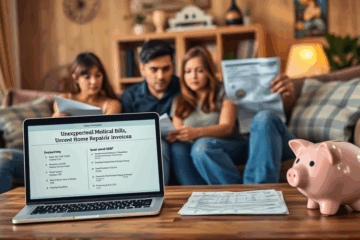
These rates often exceed those of conventional loans, sometimes reaching into double-digit percentages, significantly increasing the total repayment amount.
In addition, fees across many of these loans—such as origination, late payment, and prepayment penalty fees—can drive up overall costs.
Compared to traditional lenders who often target borrowers with credit scores above 670, bad credit lenders cater to scores as low as 300 and may offer flexible repayment options, including longer terms to ease monthly burdens.
These loans may also be unsecured, removing the need for collateral, although this may further drive up the rate.
Borrowers might consider platforms like Investopedia’s recommended bad credit loan providers to compare terms effectively.
Conventional loans from banks or credit unions are harder to qualify for with a poor credit history due to stricter income and credit score requirements.
In contrast, lenders specializing in bad credit loans often assess alternative criteria, such as income potential and employment history, to determine eligibility.
While these loans may lack the lower rates of prime lending, platforms like Credible’s guide to high-risk options note they serve as a necessary bridge for short-term needs.
These lenders balance risk with accessibility, ensuring that even borrowers with financial setbacks can still obtain essential funding when needed.
Finding Competitive Rates
Securing better loan interest rates with bad credit requires a strategic approach where every action counts.

Borrowers should always start by evaluating the Annual Percentage Rate (APR) rather than just the interest rate, as the APR includes fees and gives a realistic view of the loan’s cost.
It’s also crucial to understand the importance of the rate-shopping window: when making multiple loan inquiries within a short period—typically 14 to 45 days—credit bureaus often group them as a single inquiry, minimizing the impact on your credit score.
This technique helps uncover lower rates without damaging your score.
Another tactic is applying with a creditworthy co-applicant, which can significantly improve your approval chances and get you more favorable terms.
Lenders like Upstart and Upgrade support joint applications, offering a better path for applicants with low credit.
In addition, borrowers should seek pre-qualification options that allow them to compare rates without affecting their credit score.
Submitting documents promptly also plays a key role—current income proof, employment verification, and identity documents build lender confidence.
Being prepared and responsive shows reliability, which can be rewarding during loan underwriting.
Taking these steps brings structure and control into what often feels like an overwhelming process.
Evaluating and Comparing Offers
When comparing loans for bad credit, borrowers must examine every element within loan disclosures carefully to make informed decisions.

These disclosures break down the annual percentage rate (APR), fees, total loan cost, and payment structure.
Focus on the critical comparison points such as APR and total interest rather than being misled by only the monthly payment.
A lower monthly amount may seem ideal at first, but it could hide extensive interest over a longer term.
Instead, analyze how the repayment term impacts your total out-of-pocket cost.
Some lenders offer tools to help estimate the full cost across different loan combinations.
For instance, borrowers can explore transparency-driven lenders like NerdWallet’s loan comparison platform to prequalify and get a clear breakdown of terms without affecting their credit score.
Beyond numbers, a borrower’s confidence in the lender plays a crucial role.
Use platforms like Business Insider’s loan strategies to explore lender credibility, reputation, and user reviews.
Investigate if the lender reports to credit bureaus, offers responsive support, and discloses all terms upfront.
Watch for red flags like high origination fees or requests for upfront payments.
Stay vigilant for risks and avoid triple-digit APRs.
In conclusion, navigating the landscape of loans for bad credit can open doors to financial opportunities.
By comparing offers and understanding the unique features of these products, borrowers can find solutions that fit their needs.